
 ENGLISH
 中文
中文 हिन्दी
 ไทย
ไทย 한국어
한국어 FRANÇAIS
 РУССКИЙ
 PORTUGUÊS
 العربية
 TIẾNG VIỆT
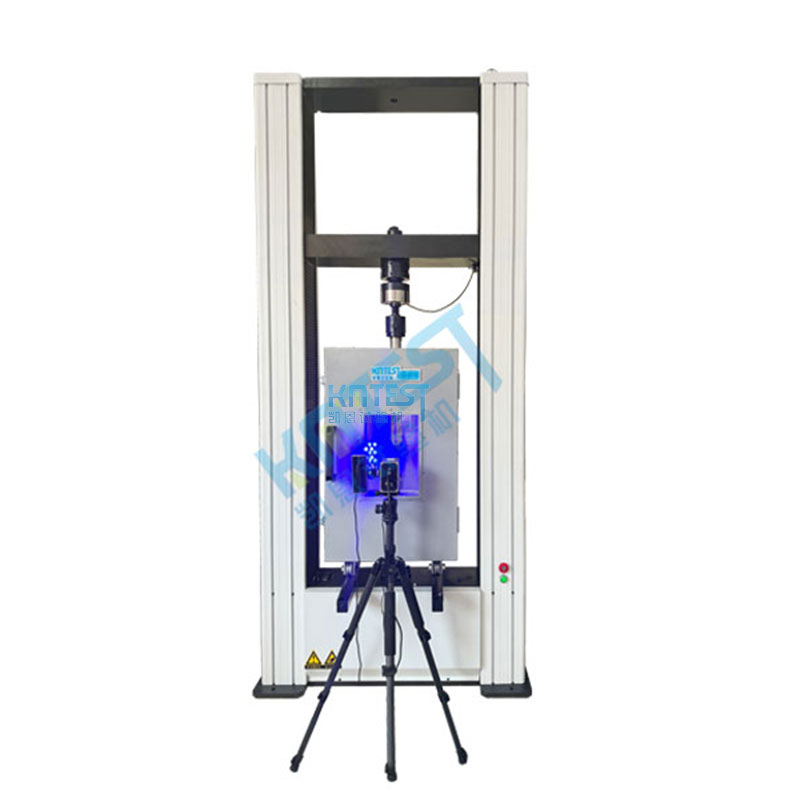
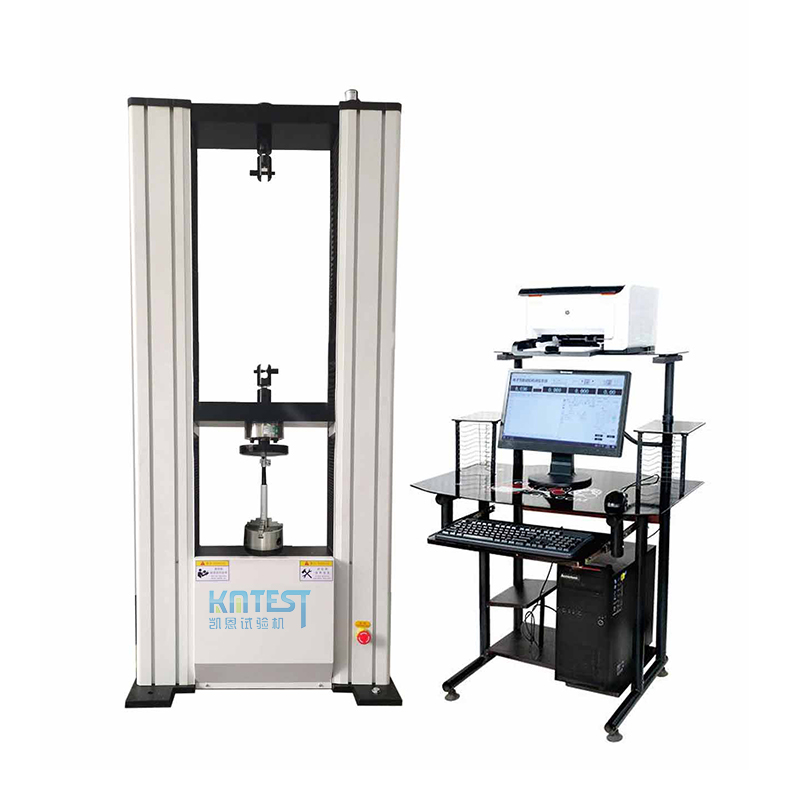
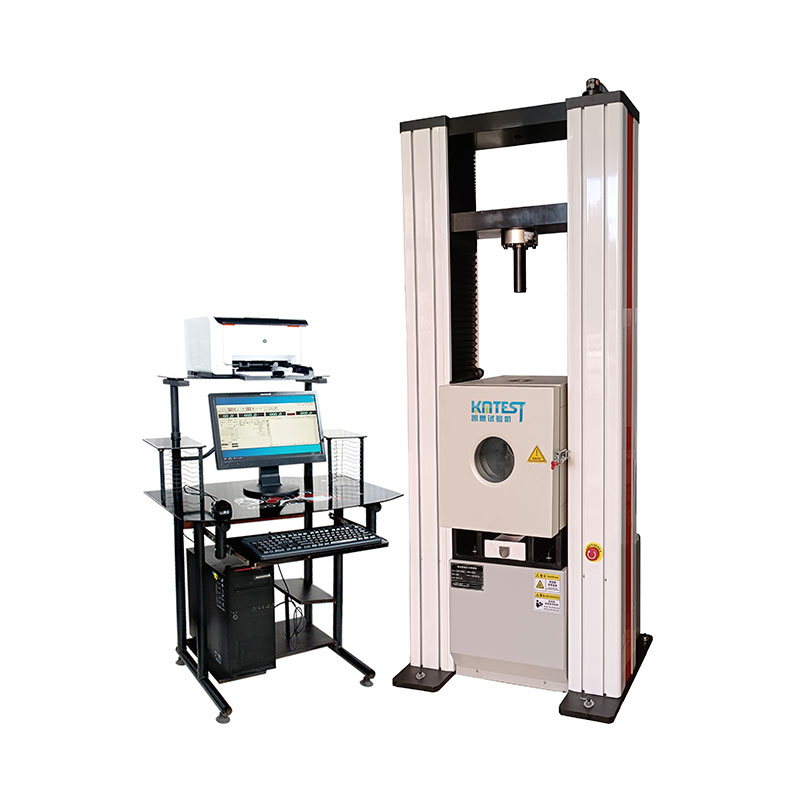
80KN/100KN/200KN/300KNMicrocomputer-Controlled Electronic Universal Testing Machine,The Microcomputer-Controlled Electronic Universal Testing Machine (also known as a Material Universal Testing Machine) is primarily used for tensile, compression, and other tests on various metals, non-metals, and composite materials. It is suitable for testing specimens and products made from materials such as metals, rubber, plastics, textiles, fibers, ceramics, composites, waterproofing materials, food products, fasteners, adhesives, pipes, profiles, wires and cables, pharmaceutical packaging, geotextiles, films, wood, and paper products. Equipped with a wide range of fixtures, tools, and deformation measurement accessories, it can perform multiple mechanical property tests and analyses, including tension, compression, tensile and compressive strength, yield strength, elongation, modulus of elasticity, bending, peeling, shear, tearing, load holding, relaxation, and creep.
The machine utilizes microcomputer closed-loop control, offering a wide and accurate range of loading speeds and force measurement. It provides high precision and sensitivity in the measurement and control of load and displacement. Featuring an integrated structure for control, measurement, and operation, it incorporates advanced contemporary technology, ensuring smooth transmission, low noise, high-speed accuracy, and a long service life. With its elegant appearance and simple operation, it includes functions such as limit protection, automatic overload protection, and automatic shutdown upon specimen fracture. Test data can be displayed, recorded, and printed in real-time. It supports three closed-loop control modes: stress, strain, and displacement, enabling the calculation of parameters such as maximum force, tensile strength, compressive strength, flexural strength, yield strength, modulus of elasticity, and elongation at break.
Tests and data processing can be conducted according to various standards, including GB/T, ISO, ASTM, JIS, and user-defined standards. It is an ideal testing device for scientific research institutions, universities, industrial and mining enterprises, technical supervision departments, and commodity inspection and arbitration authorities.